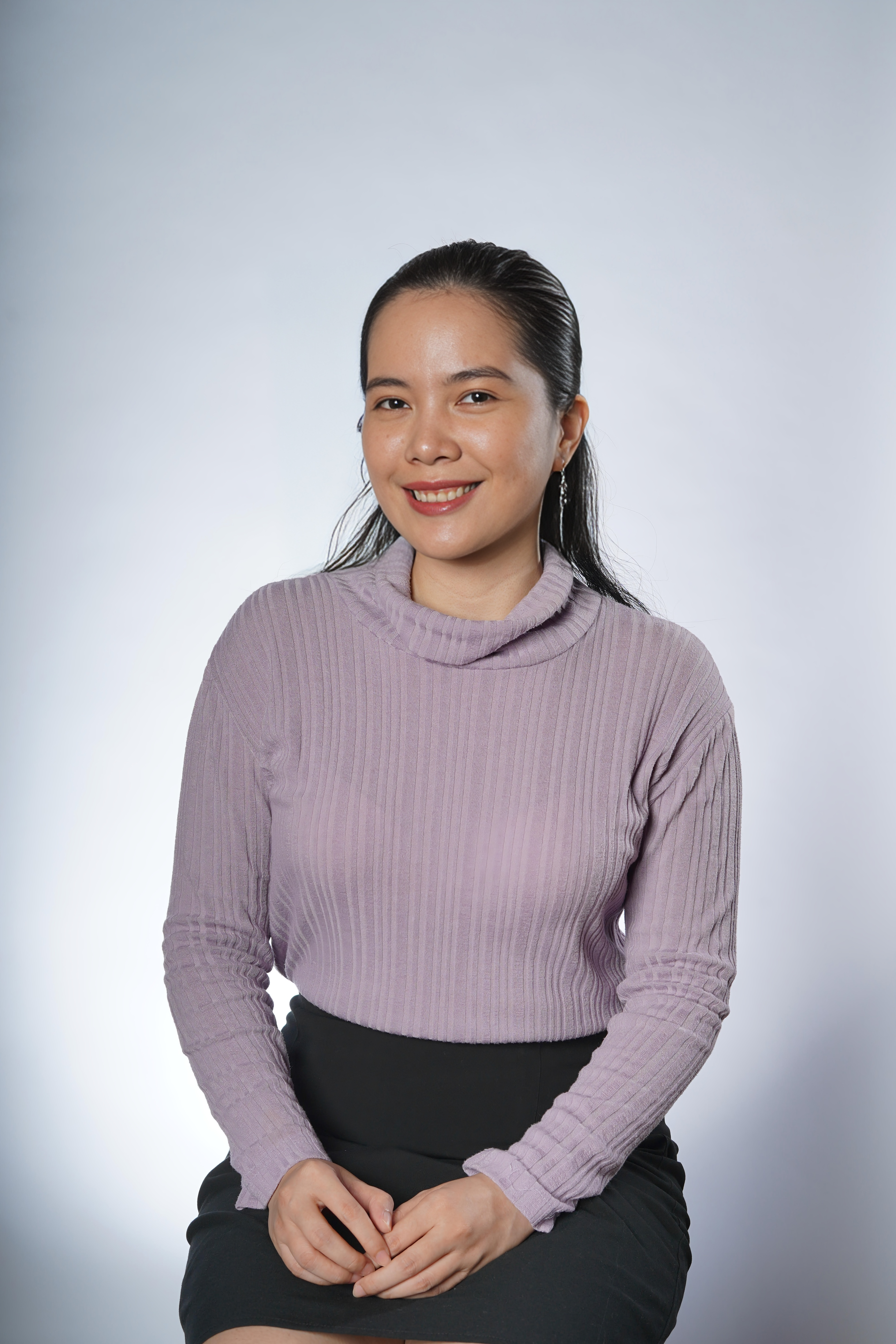
The Cattle Capital: My First Rodeo Masbateño Behind the Scenes
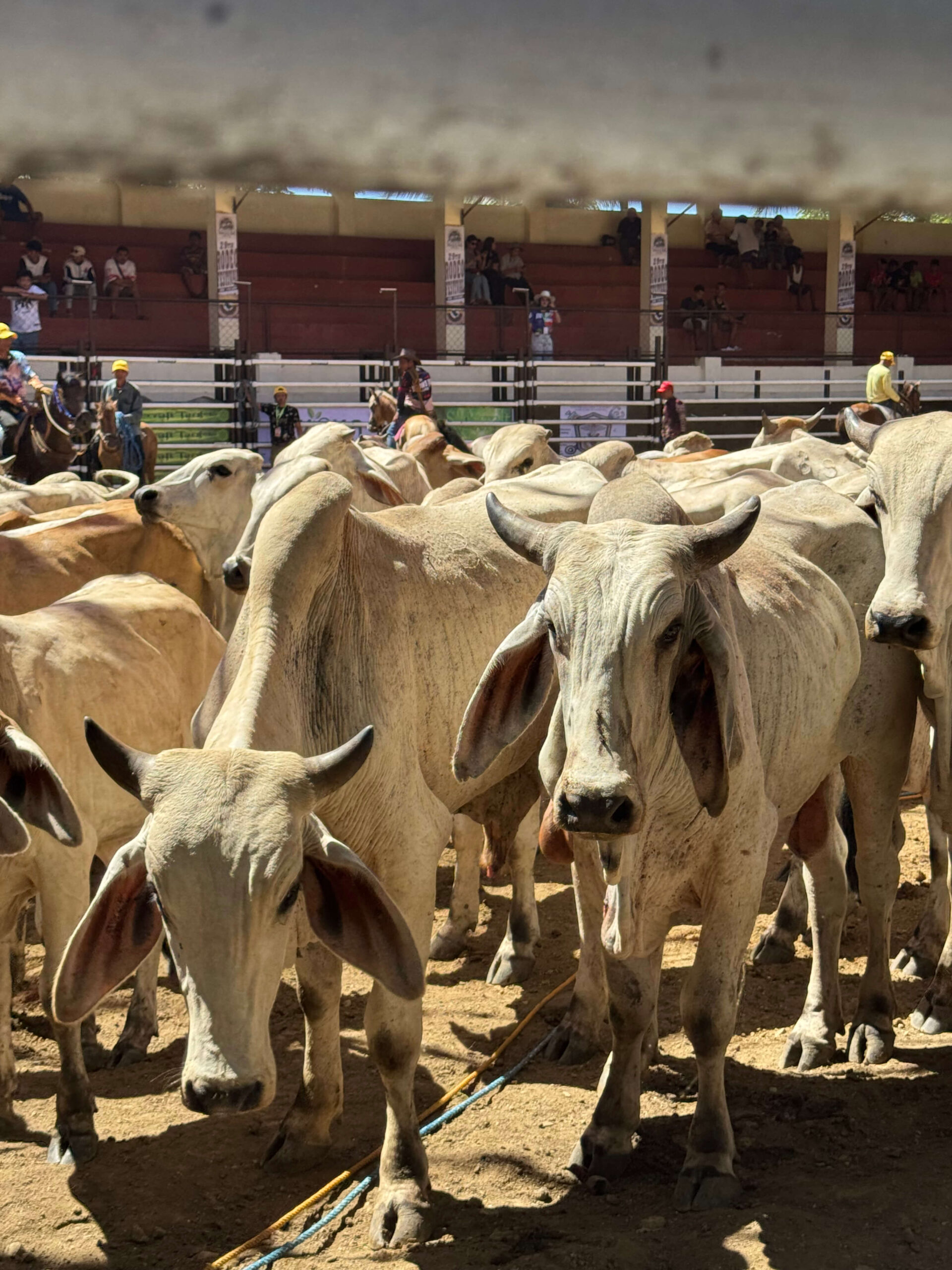
Masbate, a peaceful island province in the heart of the Philippines, is known as the Cattle Capital of the country. Each year, this quiet province bursts into life during Rodeo Masbateño, a celebration of cowboy spirit, rural pride, and strong community ties.
With its wide-open grasslands, gentle rolling hills, and deep-rooted ranching culture, Masbate carries a tradition that runs through the veins of its people.
For locals, it’s more than just a festival. It’s a time to honor their way of life, a way to show the world how compassion, courage, and skill go hand in hand on the ranch.
For years, I’ve been a spectator of Rodeo Masbateño, cheering from the benches, soaking in the thrill, and snapping photos. But this year, from June 14 to 19, 2025, I was no longer just part of the crowd. I was in it.
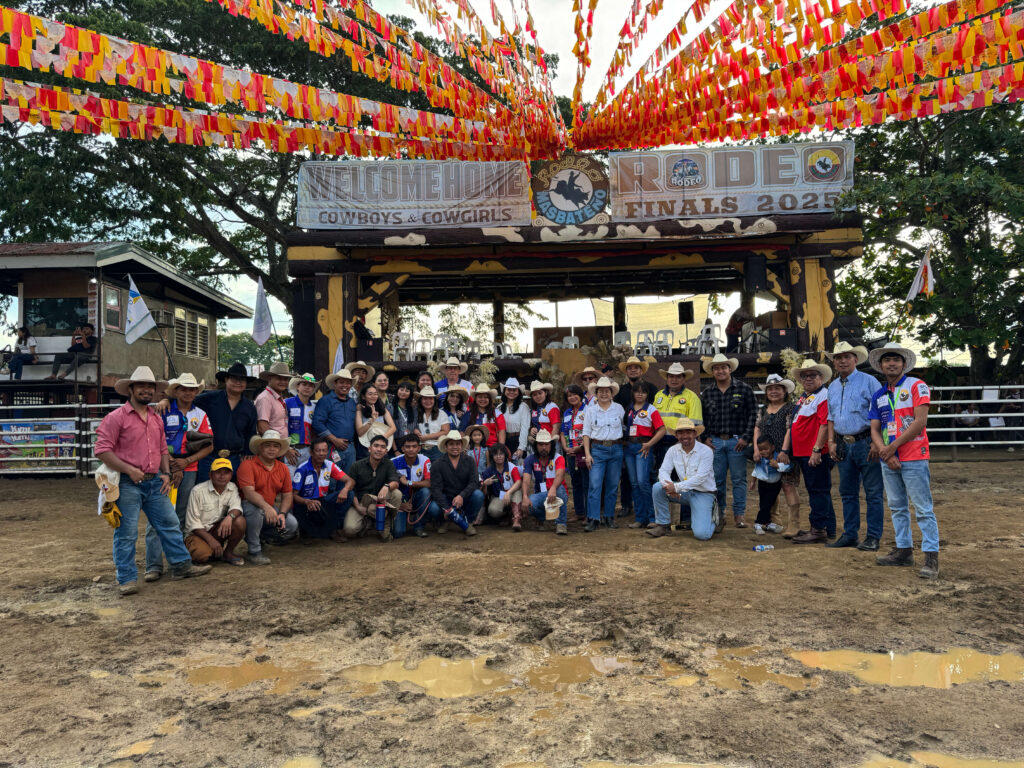
I got the chance to be part of the Ben Arizala Rodeo Cowboys (BARC), the volunteers who make the rodeo happen from behind the scenes. I was assigned to handle the Rodeo Festival and Rodeo Finals, Philippines social media pages.
At first, I felt nervous. This is a national event. Rodeo Masbateño is not just known here, but also across the country. I wanted to do it right.
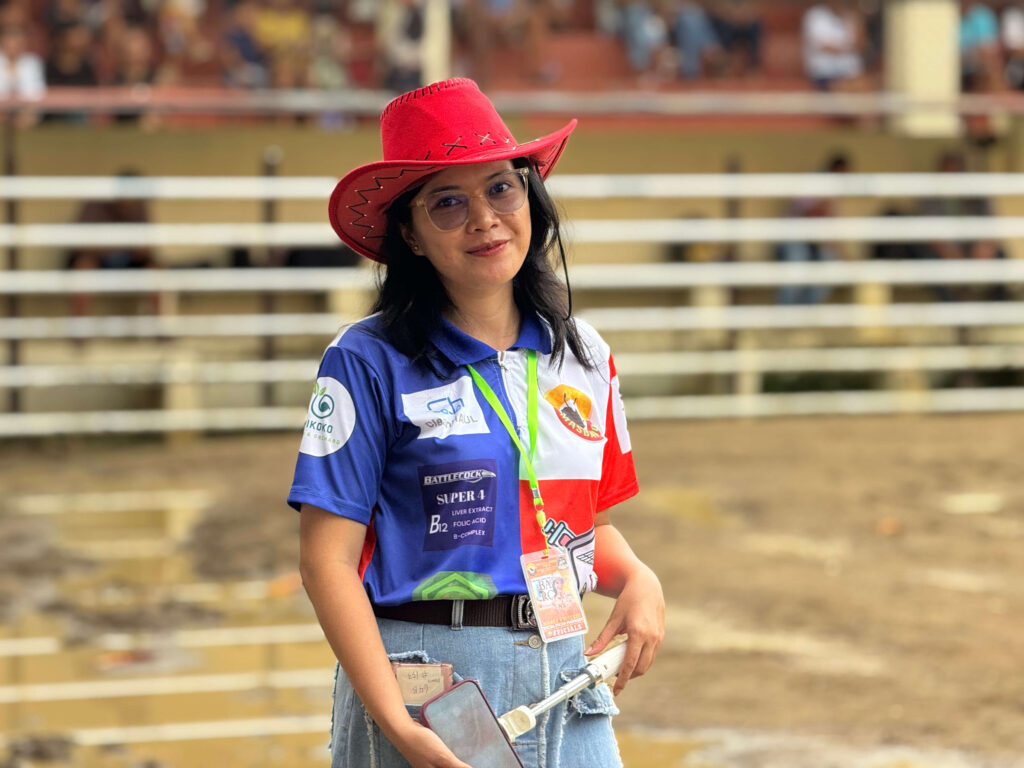
Once I stepped into the arena and saw everything up close, I realized this experience would change the way I see our local culture forever.
Since I live in the city, the Grand Rodeo Arena is close enough to reach by motorcycle, and that’s exactly what my social media partner and I did each day. We rode to the venue, worked all day under the sun and rain, then went home to rest with my family. It was a perfect balance of comfort at home and action at the heart of Masbate’s most exciting event.
One of my favorite parts was the grand parade. Even though I was there to document it, I couldn’t help but stop and admire everything.
Cowboys and cowgirls wore their best rodeo outfits, floats passed by proudly showing their offices’ names and team colors, and the sound of bullwhips cracked through the air like drums starting a celebration. Masbate’s streets were alive with color, pride, and tradition.
There were many exciting events during the rodeo, but one moment I will never forget happened during wrestling from horseback. I was at the player’s bay taking photos when I saw Dwight I. Belza Jr. perform. His cow was aggressive and wouldn’t let him get close, so he did something bold.
He jumped straight from his horse onto the cow. The crowd gasped, then stood and clapped. It was brave, powerful, and amazing to watch.
Afterward, I had the chance to interview him. He was still out of breath but smiling. He said he was proud of what he did. I could tell it was a moment that meant a lot to him.
But the rodeo is not only about competition. Every evening, players from different places would gather, eat together, sing songs, and share stories. They came from different schools and provinces, but inside the arena, they felt like one family. It was proof that behind every game is a strong spirit of unity and friendship.
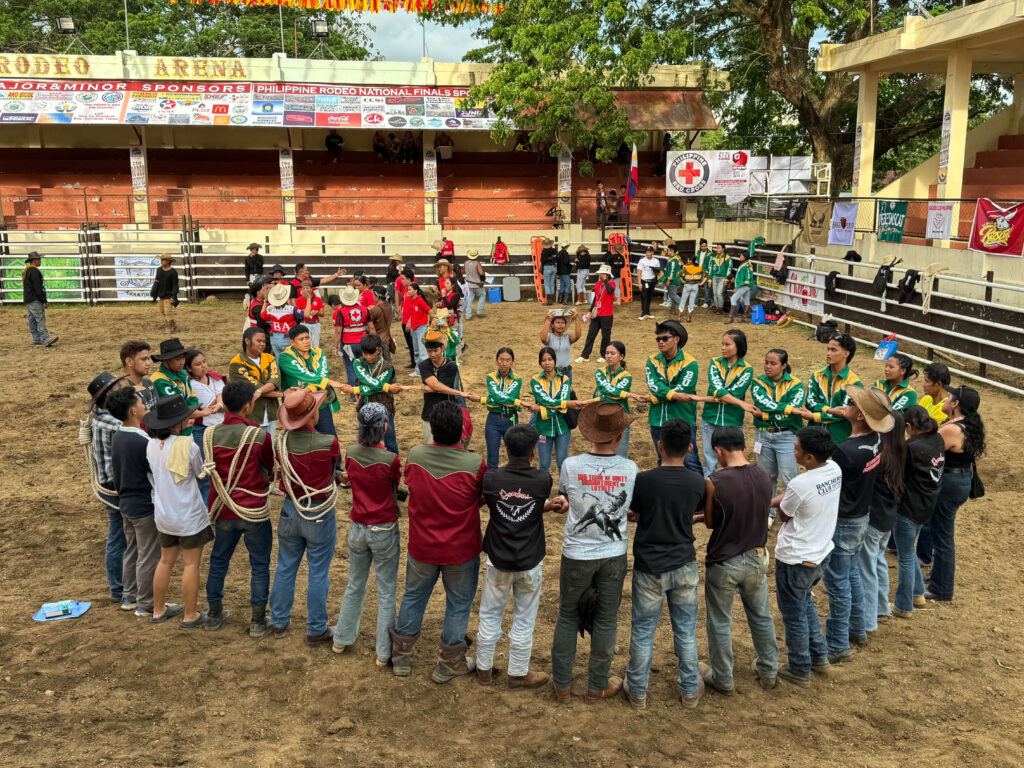
The weekends were the busiest. You could barely walk through the benches because people were standing, trying to get a better view. The sound of cheering, clapping, and even laughter filled the air. Sometimes, there were loud sighs of disappointment, too especially when a player missed a lasso or fell in the mud.
The smell of the rodeo was unforgettable. You could smell the earth after a hoof stomped it. The sweat of hardworking people. The grilled meats and local food are served at the BARC stand. It was noisy, messy, and crowded but it felt so alive.
We were always well-fed. The organizers and sponsors made sure we had delicious local dishes every day. My favorite was bulalo, served hot after a long, tiring day under the sun. And during the awarding night, we all enjoyed litson baka. A true Masbateño feast to celebrate everyone’s hard work.
Being part of BARC gave me a front-row seat to the real world of cowboys and cowgirls. I saw their dedication, their patience, and most of all, their deep care for the animals.
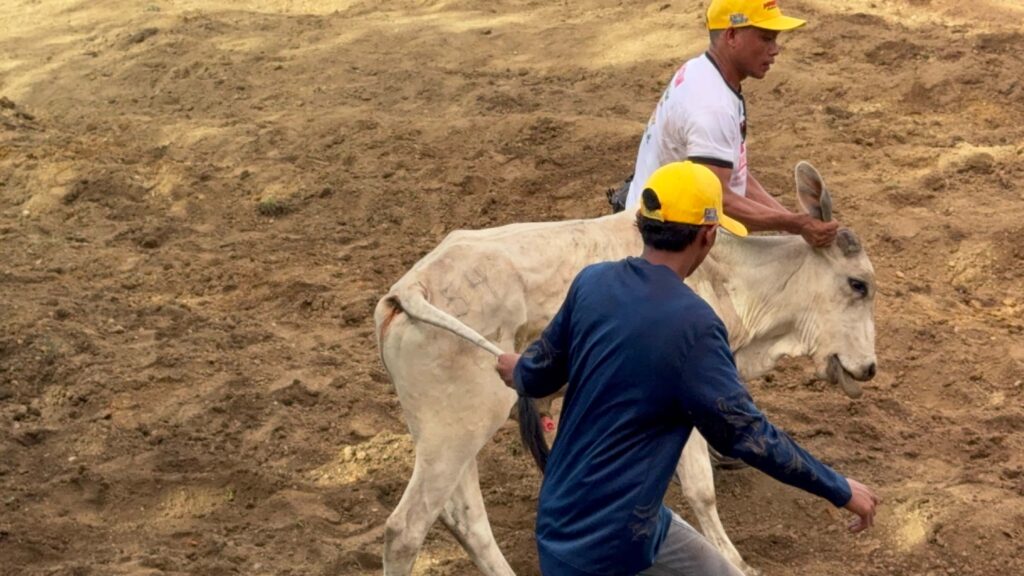
Many people think rodeo is about hurting cows, but what I saw was the opposite. The cows were treated gently. They were given vitamins, brought out of the arena right after each game, and allowed to rest.
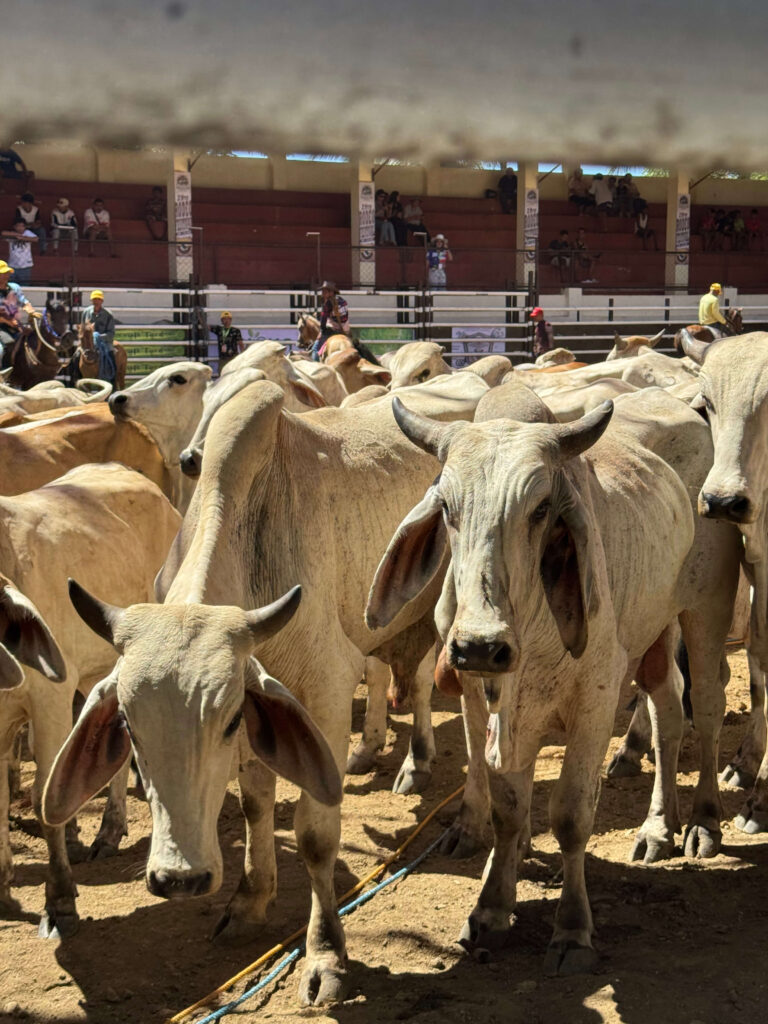
These cowboys and cowgirls didn’t just handle cattle, they respected them. They didn’t hurt the animals just to win. They worked with them, not against them. It made me think: should we believe what others say online, or should we take time to understand things for ourselves?
Would I recommend attending Rodeo Masbateño? Yes, with all my heart.
It’s more than a show. It’s a celebration of heritage. A place where you can learn about the ranch lifestyle, where you see courage, teamwork, and respect, both for people and animals.
For cowboys and cowgirls, Rodeo Masbateño is a chance to show the world the right way to handle animals, the proper skills of ranch life, and the strength of tradition. It reminds us that cattle are not just part of the rodeo. They are part of our history, our livelihood, and our identity as Masbateños.